

Missing teeth can affect much more than a smile. They can make meals harder to enjoy, change the way words sound, and cause people to feel less confident in everyday conversations. For many patients, dentures offer a practical and approachable way to restore function, appearance, and comfort without feeling overwhelmed by treatment.
For those searching for affordable dentures in Childersburg, AL, the goal is not simply to find the lowest price. It is to find dentures that fit well, look natural, support daily life, and come with clear guidance from an experienced dental team. Rice Dentures helps patients understand their options so they can make informed decisions about care that fits their needs and budget.
This article is for general educational purposes only and does not replace professional dental advice. Anyone experiencing tooth loss, gum pain, loose dentures, or changes in oral health should schedule a consultation with a qualified dental clinician for personalized recommendations.
Why Dentures Remain a Trusted Tooth Replacement Option
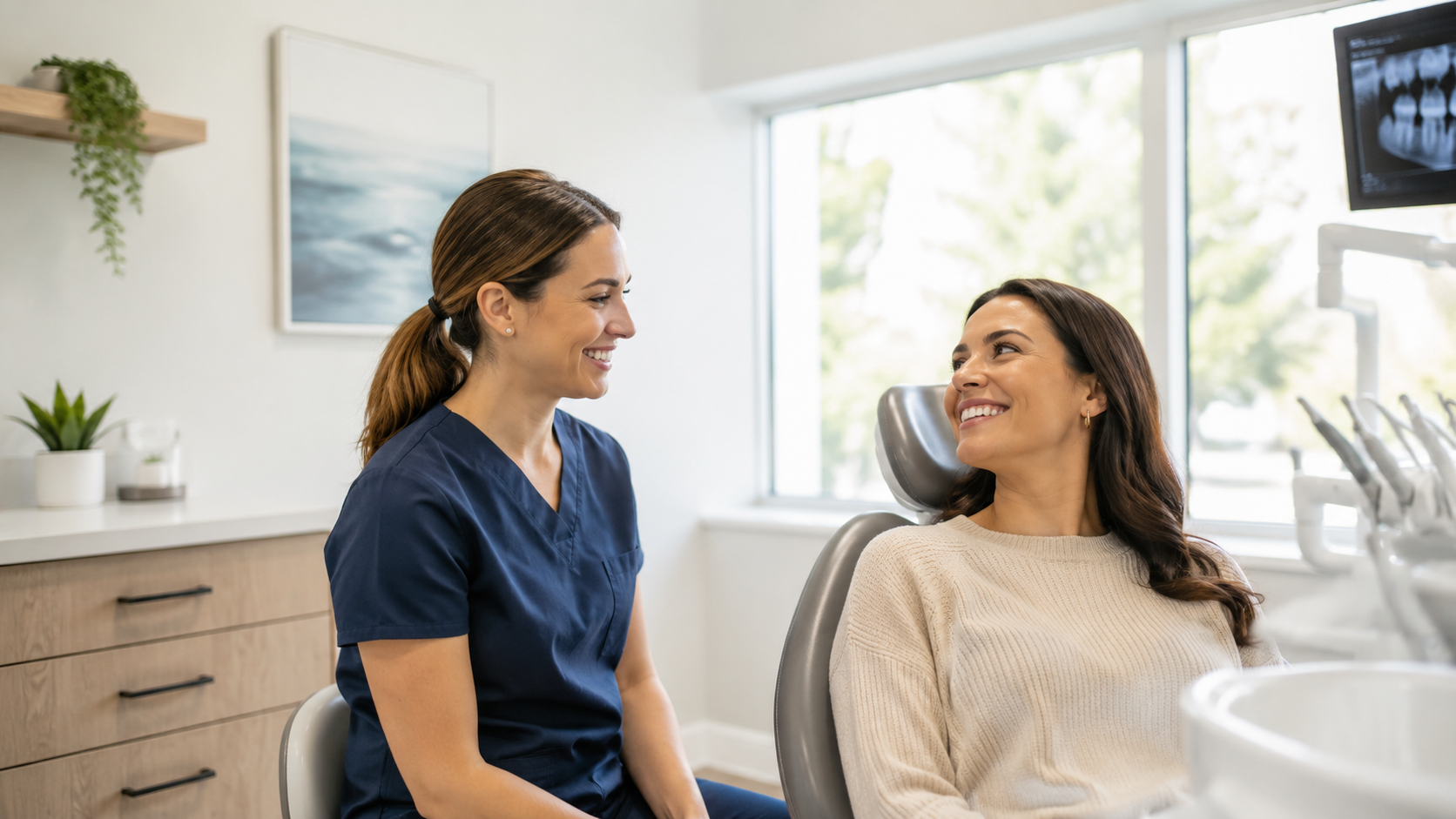
Dentures have helped patients replace missing teeth for generations, but today’s dentures are not the same as the bulky, uncomfortable appliances many people may remember from years ago. Modern dentures are designed with improved materials, better shaping, and more personalized fitting techniques.
A well-made denture can help support the cheeks and lips, improve chewing ability, and restore a fuller smile. Dentures may be used when several teeth are missing or when a full arch of teeth needs replacement. They can also be part of a larger treatment plan, such as after extractions or alongside dental implants in certain cases.
Patients often appreciate dentures because they are removable, repairable in many situations, and available in different styles. This flexibility can make dentures a realistic option for people with a wide range of oral health needs and financial considerations.
What “Affordable Dentures” Really Means
When patients hear the word “affordable,” it can mean different things. For some, it means a lower upfront cost. For others, it means long-term value, fewer adjustments, or a denture that lasts longer with proper care. The most affordable choice is not always the cheapest one. A denture that does not fit correctly may lead to sore spots, difficulty eating, or repeated visits for adjustments.
Affordable dentures should balance cost, comfort, durability, and appearance. Patients should feel comfortable asking what is included in the fee, whether follow-up visits are part of the process, and how repairs or relines are handled if needed later.
Rice Dentures encourages patients to think about dentures as an investment in daily comfort and quality of life. A clear consultation can help explain the options and reduce surprises before treatment begins.
Common Types of Dentures
Not every patient needs the same type of denture. The right option depends on how many teeth are missing, the condition of the gums and jawbone, oral health history, and personal goals.
Full Dentures
Full dentures, also called complete dentures, replace an entire upper or lower arch of teeth. They rest on the gums and are shaped to fit the mouth as closely as possible. Upper dentures often cover the roof of the mouth for added stability, while lower dentures are shaped around the tongue.
Full dentures may be recommended when all natural teeth in an arch are already missing or need to be removed. The dental team will usually take impressions or digital measurements to create a denture that matches the patient’s mouth shape and bite.
Partial Dentures
Partial dentures are used when some natural teeth remain. They fill the gaps left by missing teeth and often attach to existing teeth with clasps or other supportive components. Partials can help prevent remaining teeth from shifting into empty spaces, which may protect the bite over time.
For patients who are not ready for implants or bridges, partial dentures may offer a more budget-conscious way to restore a smile while preserving remaining healthy teeth.
Immediate Dentures
Immediate dentures are placed soon after tooth extractions, so patients do not have to go without teeth during the healing period. This can be especially helpful for people who feel anxious about being seen without a smile.
Because gums and bone change shape as they heal, immediate dentures often need adjustments, relines, or replacement later. Patients should discuss this timeline during the consultation so they understand what to expect after extractions.
Implant-Supported Dentures
Implant-supported dentures attach to dental implants placed in the jawbone. This option may improve stability and chewing confidence for certain patients. However, it usually involves a more complex treatment process and a higher cost than traditional removable dentures.
Not everyone is a candidate for dental implants. Bone health, medical history, tobacco use, and overall oral health can affect eligibility. A dental evaluation is the best way to determine whether implant-supported dentures are worth considering.
What Affects the Cost of Dentures?
The cost of dentures can vary because each mouth is different. Patients searching for affordable dentures near Childersburg often want a simple price, but the final fee may depend on several factors.
Common cost factors include:
- The type of denture needed, such as full, partial, immediate, or implant-supported
- The materials used to make the denture base and teeth
- Whether extractions or other dental treatment are needed first
- The number of appointments required for impressions, fittings, and adjustments
- Whether relines, repairs, or follow-up care are included
- The complexity of the bite and fit
A patient with healthy gums and several missing teeth may need a different plan than someone who requires extractions and healing time before a final denture can be made. This is why a personal consultation is so important. It allows the dental provider to explain realistic options instead of offering a one-size-fits-all answer.
The Denture Process: What Patients Can Expect
Getting dentures is a step-by-step process. Knowing what happens along the way can make the experience feel less intimidating.
1. Consultation and Oral Evaluation
The first visit usually includes a conversation about the patient’s concerns, goals, and oral health history. The dental team may examine the gums, remaining teeth, bite, and jaw shape. If extractions or other treatment may be needed, those options will be discussed.
This is also the right time to ask questions about cost, timing, comfort, appearance, and maintenance.
2. Impressions or Measurements
To create a denture that fits the mouth, the provider takes impressions or detailed measurements. These records help guide the shape of the denture base and the position of the teeth.
A good fit starts with accurate records. Even small details matter because dentures sit on soft gum tissue and must work with the movement of the lips, cheeks, and tongue.
3. Bite and Smile Design
The denture teeth are selected and arranged to support a natural-looking smile. Patients may discuss tooth shade, tooth shape, and how visible they want the teeth to look when speaking or smiling.
The goal is to create a denture that does not look “too perfect” or artificial. Many patients prefer a smile that fits their face, age, and personality.
4. Fitting and Adjustments
Once the denture is ready, the provider checks the fit, bite, and comfort. It is normal for dentures to need minor adjustments. The mouth has sensitive tissues, and even a small pressure point can become sore if not corrected.
Patients should not try to adjust dentures at home. Filing, bending, or reshaping a denture without professional tools can damage it or make the fit worse.
5. Follow-Up Care
Dentures may need follow-up visits, especially during the first few weeks. Gum tissue can adapt, and patients may notice areas that feel tight, loose, or uneven. Follow-up care helps improve comfort and function over time.
Will Dentures Feel Natural?
Dentures can feel different at first. This does not mean anything is wrong. The mouth is adjusting to a new appliance, and the tongue, cheeks, and muscles need time to learn how to work with it.
During the first days or weeks, patients may notice extra saliva, mild speech changes, or difficulty eating certain foods. Starting with soft foods, cutting meals into smaller pieces, and chewing slowly on both sides can help.
Reading out loud can also help speech feel more natural. Many patients find that confidence improves as they practice talking and eating with their dentures.
How to Care for Dentures at Home
Daily care helps dentures last longer and keeps the mouth healthier. Even though dentures are not natural teeth, they still collect food particles, plaque, and stains.
Helpful denture care habits include:
- Rinsing dentures after meals when possible
- Brushing dentures daily with a denture-safe brush and cleanser
- Avoiding regular toothpaste if it is too abrasive for denture material
- Soaking dentures as recommended to help them keep their shape
- Cleaning the gums, tongue, and roof of the mouth each day
- Handling dentures over a towel or sink filled with water to prevent breakage if dropped
- Keeping dentures away from hot water, which can warp the material
Patients should also continue routine dental visits, even if they no longer have natural teeth. The dentist can check gum health, screen for oral changes, and make sure the denture still fits properly.
When Dentures Need an Adjustment, Reline, or Replacement
The mouth changes over time. After teeth are removed, the jawbone and gum tissue can gradually shrink or reshape. As this happens, dentures that once fit well may begin to feel loose.
Signs that a denture may need professional attention include:
- Sore spots that do not improve
- Clicking or slipping while speaking
- Difficulty chewing foods that were once manageable
- Changes in facial support or bite
- Cracks, chips, or worn denture teeth
- Needing more adhesive than usual
A reline can sometimes improve the fit by reshaping the underside of the denture. In other cases, a replacement may be the better option. A clinician can help determine which path makes the most sense.
How to Choose a Denture Provider Near Childersburg
Choosing a denture provider is about more than price. Patients deserve a team that listens, explains options clearly, and takes comfort seriously.
When comparing providers, patients may want to ask:
- What types of dentures are available?
- How many visits are usually needed?
- Are adjustments included after the denture is delivered?
- What happens if the denture feels loose or causes sore spots?
- How should the denture be cleaned and stored?
- Are repairs or relines available?
- What payment options may be offered?
Clear answers can help patients feel more confident before beginning treatment. A supportive dental team should welcome questions and help patients understand the benefits and limitations of each option.
FAQ About Affordable Dentures in Childersburg, AL
How much do dentures cost?
Denture costs vary based on the type of denture, materials, whether extractions are needed, and the level of follow-up care involved. A consultation is the best way to receive a personalized estimate and understand what is included.
Are cheaper dentures always a bad choice?
Not necessarily. Some lower-cost dentures may meet a patient’s needs, especially for temporary or basic replacement. However, fit, comfort, and durability matter. Patients should compare the overall value, not just the lowest price.
How long does it take to get dentures?
The timeline depends on the patient’s oral health and the type of denture being made. Some dentures require multiple appointments for impressions, bite records, try-ins, and adjustments. If extractions are needed, healing time may affect the schedule.
Can dentures look natural?
Yes, modern dentures can be designed to look natural and balanced with the patient’s face. Tooth color, shape, and arrangement all play a role in creating a smile that feels personal rather than artificial.
Will dentures hurt?
Dentures may feel unusual at first, and some patients experience sore spots during the adjustment period. Persistent pain should not be ignored. A dental provider can make adjustments to improve comfort and reduce irritation.
Can a person eat normally with dentures?
Many patients eat a wide variety of foods with dentures after they adjust. It often helps to start with softer foods, take smaller bites, and chew evenly on both sides. Very sticky or hard foods may remain more challenging.
Do dentures need adhesive?
Some patients use denture adhesive for added confidence, but adhesive should not be a substitute for a poor fit. If dentures frequently feel loose, a professional adjustment or reline may be needed.
How often should dentures be replaced?
Dentures do not last forever. Normal wear and changes in the mouth can affect fit over time. A dental clinician can evaluate whether a denture needs adjustment, reline, repair, or replacement.
A Comfortable Smile Starts With a Conversation
Finding affordable dentures in Childersburg, AL should feel reassuring, not stressful. The right denture plan can help restore everyday comfort, support a more confident smile, and make eating and speaking easier again.
Rice Dentures helps patients explore practical denture options with clear explanations and a focus on comfort. Anyone considering dentures, replacing an older denture, or dealing with sore or loose dentures is encouraged to schedule a consultation, ask questions, and take the next step toward a smile that feels more like home.