
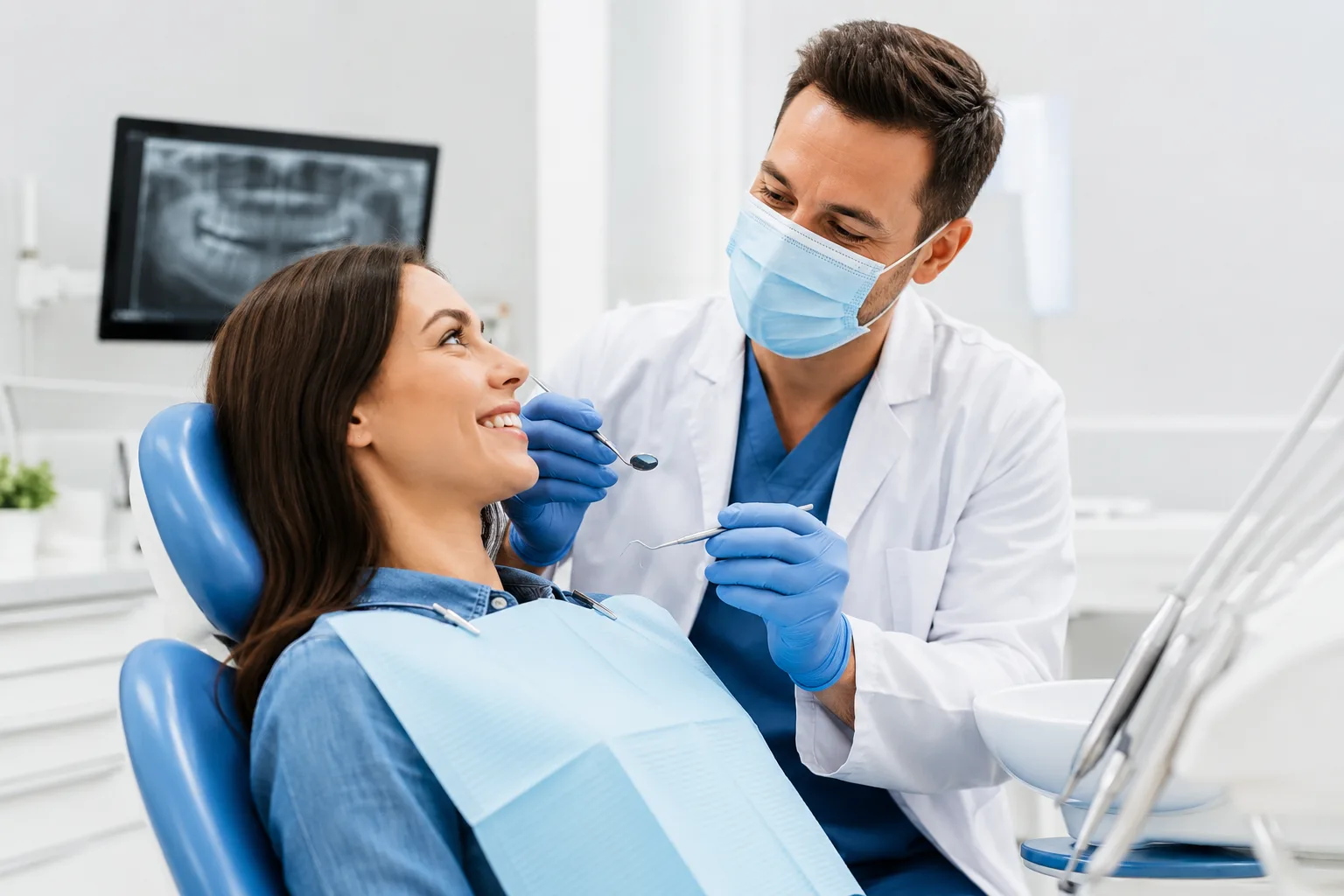
A brighter smile can help many people feel more comfortable in photographs, at work, and during everyday conversations. However, with whitening toothpastes, store-bought strips, custom trays, and in-office treatments available, it can be difficult to know where to begin.
For anyone considering teeth whitening in Childersburg, AL, the best option depends on the type of discoloration, the condition of the teeth and gums, existing dental work, and the desired result. Understanding what whitening can—and cannot—do makes it easier to set realistic expectations and protect oral health.
This article provides general educational information and is not a substitute for an examination or personalized advice from a licensed dental professional.
How Teeth Whitening Works
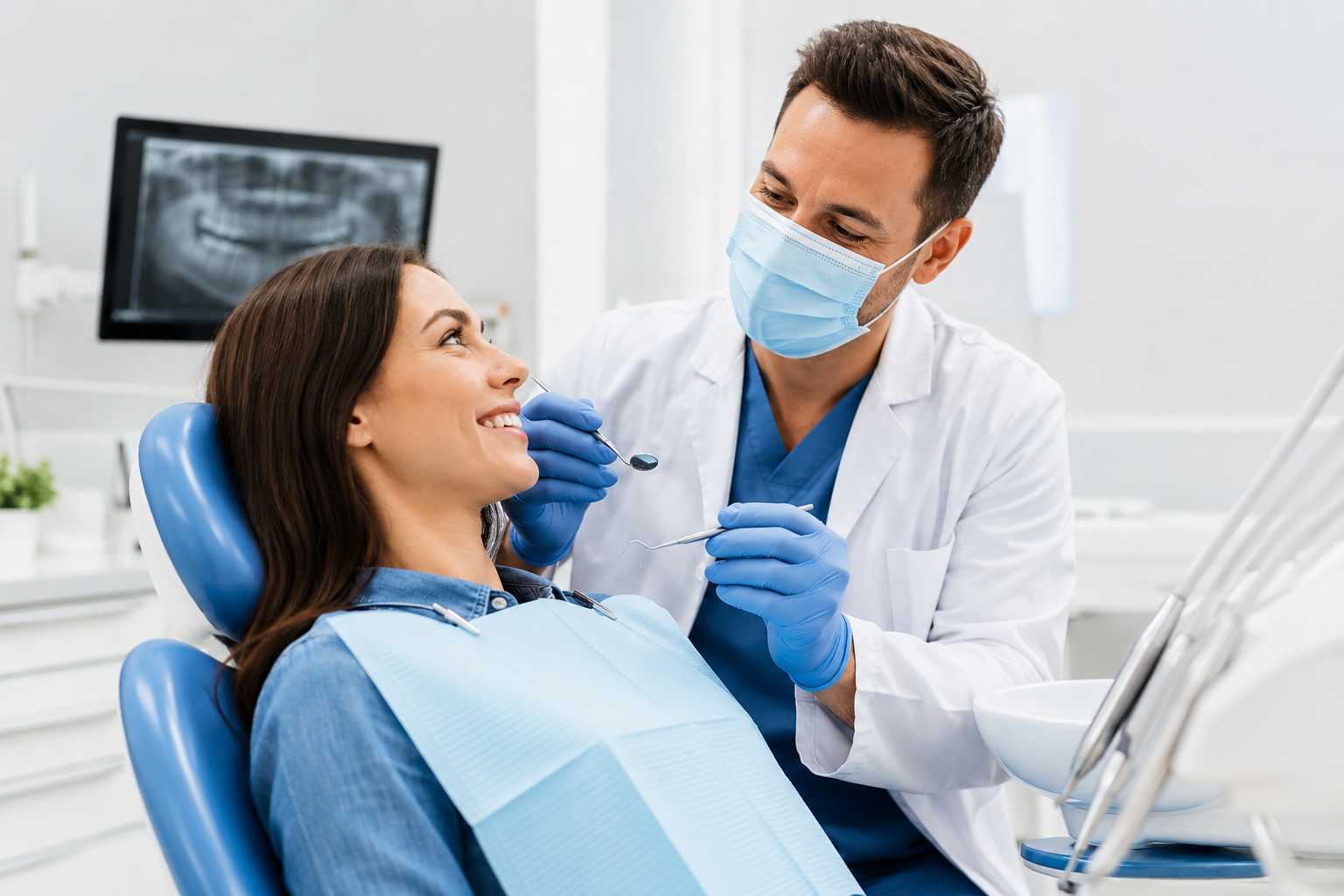
Most bleaching products use hydrogen peroxide or carbamide peroxide to break down colored compounds within natural tooth structure. This can make teeth appear lighter without removing enamel when an appropriate product is used as directed.
Whitening tends to work best on stains associated with aging and habits such as drinking coffee, tea, dark soda, or red wine. Tobacco can also create noticeable surface discoloration. Results vary because every smile has a different starting shade, enamel structure, and history.
It is also helpful to distinguish whitening from a dental cleaning. A cleaning removes plaque, tartar, and some external staining. Bleaching changes the appearance of discoloration within natural teeth. Someone who has tartar buildup or active oral health concerns may need those issues addressed before whitening begins.
Not every stain responds in the same way
Some discoloration develops inside a tooth rather than on its surface. Tooth injuries, certain medications, developmental conditions, and changes within an individual tooth may produce gray, brown, or uneven coloring. These cases may not respond to ordinary bleaching in the same way as mild food or beverage stains.
A dental professional can examine the discoloration and discuss whether whitening, bonding, a veneer, a crown, or another approach may be more appropriate. No responsible provider should promise an exact shade before evaluating the smile.
Common Teeth Whitening Options
Whitening methods differ in strength, application, convenience, and professional oversight. The fastest or strongest product is not automatically the best choice for every patient.
Whitening toothpaste
Whitening toothpaste generally helps polish away mild surface stains. It may improve brightness gradually, but it usually does not produce the same degree of color change as peroxide-based bleaching.
Patients should avoid brushing aggressively in an attempt to speed up results. More pressure does not necessarily create a whiter smile, and overly forceful brushing may irritate the gums or contribute to tooth wear.
Over-the-counter strips and gels
Drugstore whitening strips and brush-on gels offer an accessible option for mild discoloration. Their effectiveness depends on consistent use, correct placement, and close adherence to the product instructions.
Because prefabricated strips do not fit every smile perfectly, the gel may contact the gums or whiten some areas less evenly than others. Products carrying the American Dental Association Seal of Acceptance have been evaluated for safety and effectiveness when used as directed. Even so, a patient with cavities, gum irritation, exposed roots, or extensive dental work should seek professional guidance first.
Dentist-supervised take-home trays
Professional take-home whitening commonly uses trays designed to fit the patient’s teeth and a dental bleaching gel selected by the provider. A closer fit can help distribute the gel more evenly and reduce unnecessary contact with the gums.
The patient completes treatment at home according to specific instructions. The schedule depends on the product, its concentration, the condition of the mouth, and the desired outcome.
In-office whitening
In-office whitening uses professional-strength materials while the dental team protects and monitors the surrounding soft tissues. It may be appealing to patients who prefer professional application or want a more noticeable change without managing multiple applications on their own.
The American Dental Association notes that professional oversight, customization, and attention to possible side effects are important parts of whitening safely. In-office treatment can create a significant improvement for some patients, but results still depend on the original tooth color and cause of the discoloration.
Is Teeth Whitening Safe?
Teeth whitening is generally considered safe when a licensed professional provides it or when an appropriate over-the-counter product is used exactly as directed. The most frequently reported side effects are temporary tooth sensitivity and gum irritation.
Sensitivity may feel like a short, sharp response to cold air, water, or food. A dental professional may suggest changing the frequency of treatment, using less gel, pausing treatment, or trying a desensitizing toothpaste. Persistent or severe discomfort should not be ignored because pain can have causes unrelated to whitening.
Using more gel, leaving it on longer than directed, or combining multiple bleaching products does not guarantee better results. According to the ADA, aggressive bleaching may damage tooth structure or irritate oral tissues. Professional advice is especially important for anyone with sensitive teeth, gum recession, enamel wear, cavities, or a history of dental pain.
Can Dentures, Crowns, or Fillings Be Whitened?
This is an especially important question for patients who have dentures or other restorations. Traditional bleaching is intended to lighten natural teeth. It does not reliably change the shade of denture teeth, crowns, bridges, veneers, bonding, or tooth-colored fillings.
As a result, whitening natural teeth around existing dental work can sometimes create a shade mismatch. For example, a crown selected to match the original tooth color may appear darker after nearby natural teeth have been whitened.
Patients planning a crown, partial denture, or other visible restoration may benefit from discussing the order of treatment with the appropriate dental professionals. When practical, natural teeth may be whitened first so the future restoration can be selected to coordinate with the new shade. The best sequence depends on oral health and the treatment plan.
What about whitening dentures?
Household bleach and products made for natural teeth should not be used to whiten dentures unless a qualified clinician specifically confirms that a product is compatible with the appliance. Harsh or unsuitable materials may affect the denture surface, color, or components.
Denture wearers should use cleaning products designed for their type of appliance and follow the instructions provided by their dental professional. Persistent stains, roughness, odor, cracks, or a change in fit deserve professional attention rather than aggressive scrubbing at home.
What to Expect Before Professional Whitening
A provider will usually want to understand the patient’s goals and evaluate the mouth before recommending bleaching. This assessment may consider:
- The type and location of the discoloration
- Current tooth sensitivity or dental pain
- The health of the teeth and gums
- Visible crowns, fillings, veneers, bridges, or removable appliances
- Previous whitening experiences
- The patient’s preferred pace and level of maintenance
Whitening should not be used to cover up unexplained symptoms. A tooth that has suddenly darkened, ongoing gum bleeding, swelling, sores, or persistent pain should be examined before cosmetic treatment begins.
How to Help Whitening Results Last
No whitening result is permanent because teeth remain exposed to foods, beverages, tobacco, and natural age-related changes. Still, a few habits can help preserve a brighter appearance:
- Brush gently twice a day with fluoride toothpaste.
- Clean between the teeth daily.
- Keep recommended dental examinations and cleanings.
- Rinse with water after coffee, tea, red wine, soda, or highly pigmented foods.
- Avoid smoking and other tobacco products.
- Use touch-up whitening only as directed by a dental professional or product instructions.
The ADA also advises patients to maintain good oral hygiene and limit stain-causing habits after whitening. Drinking water with meals can help rinse away pigments, but it does not replace brushing, flossing, or professional care.
Choosing Teeth Whitening Care in Childersburg
When looking for teeth whitening in Childersburg, AL, patients should choose a licensed dental provider who evaluates oral health, explains the available methods, and discusses realistic results. It is reasonable to ask what type of whitening is recommended, whether existing restorations will match afterward, how sensitivity will be managed, and what the total fee includes.
Patients should also confirm whether a practice actually provides whitening. Rice Dentures in Childersburg, AL focuses specifically on dentures, partials, and implant-supported denture solutions rather than routine cosmetic whitening. People who need natural teeth whitened should consult a general or cosmetic dentist offering that service.
However, patients who are concerned about the color, appearance, cleanliness, or fit of a denture can contact Rice Dentures for an evaluation. The team can discuss denture-focused options without suggesting that bleaching will change the shade of an existing appliance.
Frequently Asked Questions
Will teeth whitening damage enamel?
Appropriate whitening products are generally considered safe when used as directed. Misuse—such as applying excessive gel, treating too frequently, or leaving a product on longer than recommended—can increase irritation and other risks. A dental professional should be consulted if there is enamel wear, decay, gum recession, or ongoing sensitivity.
How white will the teeth become?
There is no universal result. The final shade depends on the starting color, stain type, chosen treatment, and individual response. Natural teeth also vary in tone, so the healthiest and most realistic goal is often a brighter natural-looking smile rather than an artificial paper-white shade.
Does whitening work on yellow teeth?
Many yellow or age-related stains respond to bleaching, although results differ. Gray discoloration, injury-related darkening, and some internal stains may be more difficult to change. An examination can help identify the likely cause.
Can someone whiten sensitive teeth?
Some people with sensitivity can still consider whitening, but they should first discuss the symptoms with a dentist. A provider may recommend treating the underlying cause, using a gentler method, shortening application time, or using a desensitizing product.
Can whitening products be used while wearing partial dentures?
A patient with a partial denture should seek individualized guidance. Bleaching may change the natural teeth without changing the appliance, resulting in uneven color. The whitening material may also need to be kept away from certain components or tissues.
Is professional whitening better than store-bought whitening?
Professional care offers personalized evaluation, stronger clinical oversight, and options selected for the patient’s mouth. Store-bought products may help with mild staining when used correctly, but they are not ideal for every person or every type of discoloration.
A Brighter Smile Starts With the Right Plan
Teeth whitening can be a comfortable and effective cosmetic option, but good results begin with understanding the cause of discoloration and the condition of the mouth. A qualified provider can help patients compare in-office care, custom trays, and over-the-counter products while accounting for sensitivity and existing restorations.
For natural-tooth whitening, patients should speak with a general or cosmetic dentist who offers the service in the Childersburg area. For questions about denture appearance, fit, partials, or implant-supported denture solutions, contact Rice Dentures in Childersburg, AL to request a consultation and learn which denture-focused options may be appropriate.