
Loose or shifting dentures can make everyday activities—such as eating lunch, laughing with friends, or speaking in public—feel more stressful than they should. For patients who want greater denture stability without choosing a fixed full-arch restoration, snap-in dentures may offer a helpful middle ground.
Snap-in dentures attach to dental implants placed in the jaw. The implants help hold the denture in position, while the denture remains removable for daily cleaning. This combination can provide more security than a traditional removable denture while preserving the convenience of taking the appliance out.
Patients considering snap-in dentures in Childersburg, AL should understand how the system works, what treatment may involve, and why long-term maintenance still matters.
This article provides general educational information and is not a diagnosis or treatment recommendation. A qualified dental clinician must examine the mouth and review the patient’s health history to determine whether snap-in dentures are appropriate.
What Are Snap-In Dentures?
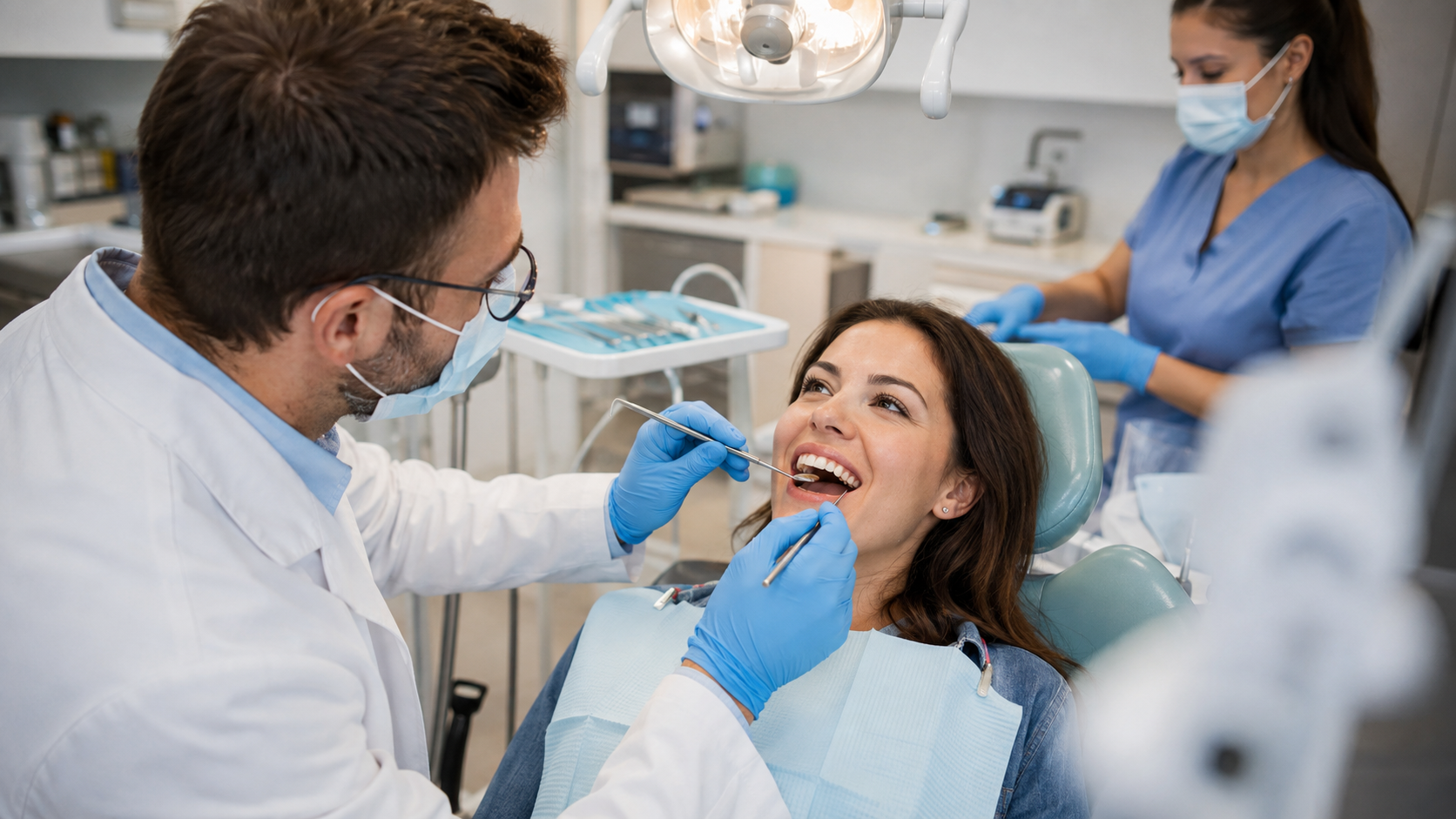
Snap-in dentures, also called implant-retained overdentures, are removable dentures supported by dental implants. Small attachments on the underside of the denture connect with corresponding parts on the implants. When the denture is seated, these components engage and help keep it from moving around.
The word “snap” describes the way the attachments connect. It does not mean that the denture is permanently locked in place. Most patients remove the appliance as directed to clean the denture, attachments, gums, and implant areas.
At Rice Dentures in Childersburg, AL, snap-in implant dentures are custom-made for the individual patient’s mouth. The exact design depends on factors such as anatomy, available bone, oral health, bite, and treatment goals.
How Are Snap-In Dentures Different From Traditional Dentures?
A traditional full denture rests primarily on the gums and the underlying ridges. Its stability depends on its fit, the shape of the mouth, muscle control, and—in some cases—denture adhesive. Changes in the gums and jaw over time can also affect how securely it fits.
A snap-in denture gains added retention from implants. That does not make it identical to natural teeth, but it may reduce unwanted lifting, rocking, or sliding. Many patients especially value this added support in the lower jaw, where conventional dentures can be more difficult to stabilize.
Snap-in dentures are also different from fixed implant-supported teeth. A fixed restoration generally stays attached and is removed only by a dental professional. A snap-in denture is designed to be removed by the patient for cleaning. During a consultation, the dental team can explain which approach fits the patient’s health needs, preferences, and budget.
Potential Benefits of Snap-In Dentures
Every patient’s experience is different, and no dental appliance can guarantee a particular result. However, properly planned snap-in dentures may offer several practical advantages.
Improved stability
Implant attachments can help the denture stay seated during normal speaking and chewing. Greater stability may also reduce the worry that the denture will shift during a conversation or social event.
Removable for cleaning
Some patients appreciate being able to remove the denture and see the areas that need cleaning. This can make daily care more straightforward, although implants and attachments still require careful attention.
A customized appearance
The denture can be designed around the patient’s facial features, smile, bite, and personal preferences. Tooth shade, size, and arrangement may be discussed during the planning process.
Less reliance on adhesive
Because the implants provide retention, some patients may not need to depend as heavily on adhesive. Whether adhesive is appropriate should be discussed with the treating clinician rather than added without guidance.
Who May Be a Candidate?
Snap-in dentures may be considered for adults who are missing all or most teeth in an arch and want more support than a traditional denture provides. They may also interest current denture wearers who regularly experience movement or difficulty keeping a lower denture stable.
Candidacy depends on more than the number of missing teeth. A clinician may evaluate:
- The health and amount of available jawbone
- The condition of the gums and remaining teeth
- Medical history and current medications
- Smoking or tobacco use
- Ability to maintain daily oral hygiene
- Bite forces, grinding habits, and available space
- Expectations about appearance, function, and maintenance
Some patients may require additional care before implant placement, while others may be better served by a different denture option. Only an examination and appropriate imaging can answer that question for an individual patient.
What Does the Treatment Process Involve?
The process is personalized, but it generally includes consultation, planning, implant placement, healing, denture fabrication, and follow-up care. Understanding the separate healing phases can help patients set realistic expectations.
Consultation and planning
The dental team reviews the patient’s goals, oral condition, medical history, existing dentures, and imaging. This is also the right time to discuss comfort concerns, sedation or anesthesia options, estimated fees, and possible alternatives.
Implant placement
If the patient is a suitable candidate, implants are placed in planned positions in the jaw. The exact treatment can vary depending on whether teeth must be removed, whether bone preparation is needed, and whether an existing or temporary denture can be used during healing.
Early symptom recovery
Early recovery refers to the period when post-procedure tenderness, swelling, or minor bleeding settles. Patients should follow their clinician’s instructions for food choices, hygiene, medications, and activity. Symptoms that become severe, worsen unexpectedly, or include fever or persistent bleeding should be reported promptly.
Soft-tissue healing
The gums also need time to close and mature around the treated areas. This is different from simply feeling better. A patient may have little discomfort while the gum tissue is still changing.
Osseointegration
Osseointegration is the biological process through which the jawbone forms a stable connection with the implants. It occurs beneath the gum and cannot be judged by comfort alone. The dental team evaluates healing before placing full functional demands on the implants.
Final denture and attachments
Completion of the final restoration is another separate stage. Impressions or digital records may be taken, the bite is checked, and the denture is designed and adjusted. The attachment components are then incorporated so the appliance can connect securely with the implants.
Because anatomy and treatment needs vary, there is no single timeline that applies to everyone. A personalized plan should distinguish early comfort, gum healing, implant integration, and delivery of the final denture.
Are There Risks or Limitations?
Snap-in dentures require surgery, ongoing hygiene, and periodic professional maintenance. Possible concerns include infection, inflammation around an implant, failure of an implant to integrate, attachment wear, loss of retention, screw loosening, or damage to the denture. Published clinical research on implant-supported dentures also describes prosthetic and tissue-related complications such as mucositis, attachment problems, fracture, and peri-implantitis.
These possibilities do not mean that a complication will occur. They do show why treatment planning, home care, and follow-up appointments matter. Patients should also know that the denture may still feel different from natural teeth and may require practice, adjustments, or future replacement of worn components.
How to Care for Snap-In Dentures
Good cleaning helps protect the gums, implants, and appliance. Patients should follow the instructions provided for their specific attachment system, but a typical routine may include:
- Removing and rinsing the denture after meals when practical
- Brushing the denture with a soft denture brush and non-abrasive cleanser
- Cleaning around every implant and attachment carefully
- Using any floss threaders, small brushes, or water-cleaning devices recommended by the dental team
- Keeping the denture safely stored when it is out of the mouth
- Avoiding hot water, which may distort denture materials
- Attending scheduled maintenance and implant evaluations
The attachment inserts that create the “snap” can wear with use. If the denture starts feeling loose, the patient should arrange an evaluation rather than trying to bend, tighten, or glue any component at home.
What Affects the Cost of Snap-In Dentures?
The total cost varies because snap-in denture treatment is not one identical procedure for every patient. Factors may include the number of implants, imaging, extractions, bone-related procedures, the denture design, temporary appliances, attachment components, and follow-up care.
Patients comparing estimates should ask what each quote includes. A low advertised price may not represent examinations, imaging, surgical care, the final denture, adjustments, or maintenance. Insurance benefits and financing options also vary. Rice Dentures can provide an individualized breakdown after evaluating the patient’s needs.
Frequently Asked Questions
Do snap-in dentures stay in all the time?
They are generally removable by the patient. The treating team will explain when to remove them, how to clean them, and whether they should be worn during sleep.
Can a current denture be converted into a snap-in denture?
Sometimes an existing appliance can be modified, but not every denture has the correct fit, strength, space, or condition. A clinician must inspect it before recommending conversion.
Can a person eat normally with snap-in dentures?
Added stability may make eating more manageable, but patients often need an adjustment period. Food should be reintroduced according to clinical instructions, beginning with choices that are comfortable and appropriate for the current healing phase.
Do the implants and attachments need maintenance?
Yes. The implants require professional monitoring, and attachment components can wear over time. The denture may also need adjustments as the mouth changes.
Are snap-in dentures painful?
Patients may experience temporary tenderness after implant placement or adjustments. Comfort varies with the procedure and the individual. The clinician should explain pain-management instructions and warning signs before treatment.
How can someone learn whether snap-in dentures are right for them?
The next step is a consultation that includes a health review, oral examination, and appropriate imaging. This allows the clinician to compare traditional dentures, snap-in dentures, and other implant-supported options based on the patient’s circumstances.
Explore Snap-In Dentures in Childersburg, AL
Snap-in dentures can combine removable convenience with implant-assisted stability, but successful treatment begins with careful planning and realistic expectations. Patients should feel comfortable asking about candidacy, healing stages, cleaning, maintenance, alternatives, and the full cost of care.
Rice Dentures serves patients seeking denture and implant solutions in Childersburg, AL. Those who are tired of denture movement or simply want to understand their options can contact the practice to schedule a consultation, ask questions, and receive recommendations based on their individual oral health needs.